
May 20, 2021
How to Reduce Revenue Leakage with Better Time Capture
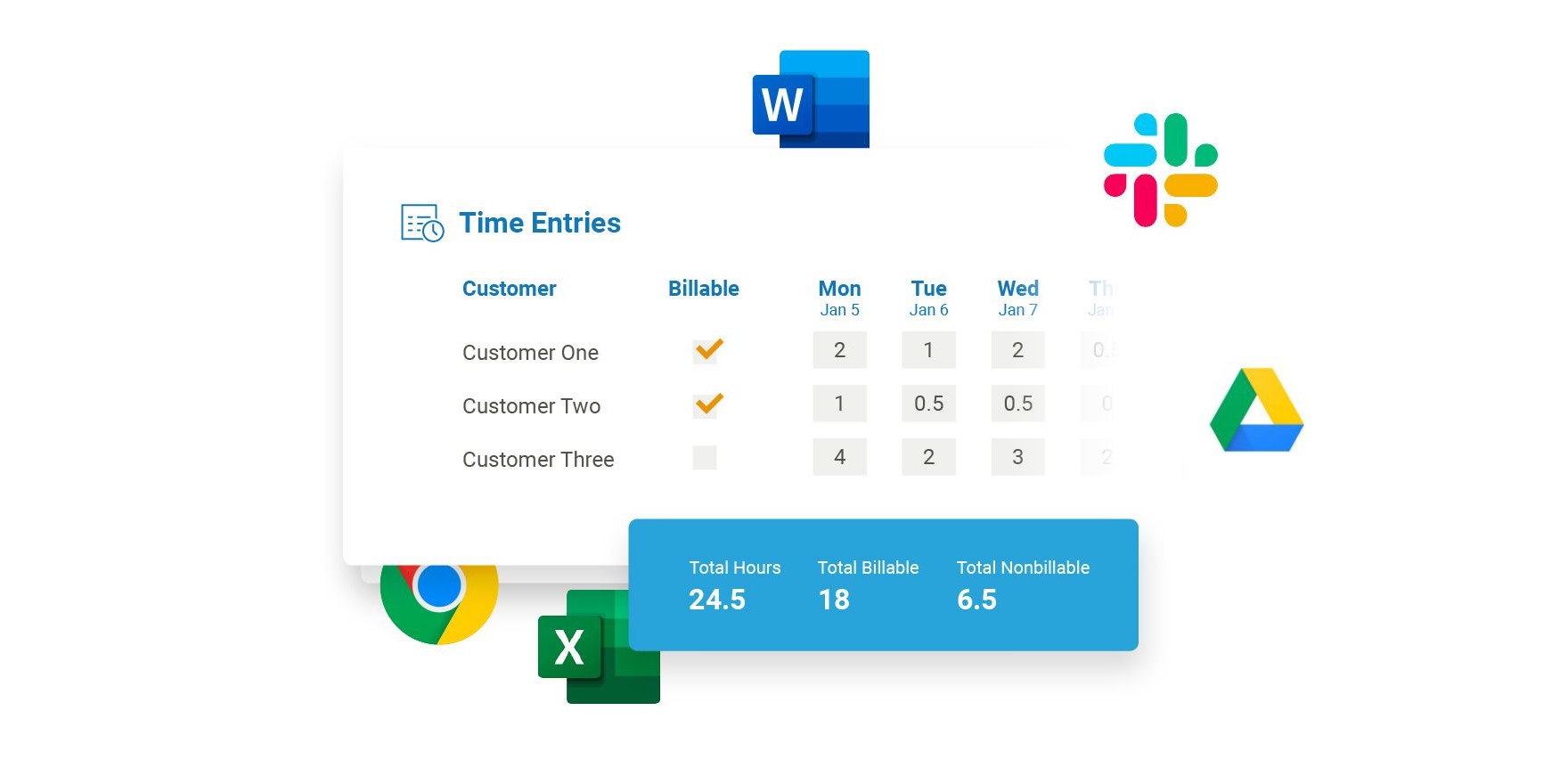
What were you doing last Wednesday at 2:00? How about Friday at 11:30? When we don’t record our time at the moment, we all have a tough time recalling it later. If that were billable time, it might just go unbilled. Professional services organizations routinely leave a meaningful share of billable work uncaptured, and that gap is called revenue leakage. It can be a significant drain on profitability. Firms estimate leakage to be 5-12% or higher when unbilled time, scope creep, and related gaps are included. Timesheets are nobody’s idea of fun, but they’re a necessity, and with technologies like artificial intelligence, time tracking becomes smarter, simpler, faster, and more accurate.
Where Billable Time Disappears
The failure of professionals to accurately record their time is a primary source of revenue leakage. Many people wait until the end of the billing period to think about timesheets, then try to recreate their activities from memory, email, and calendars. That reconstruction is incomplete more often than teams want to admit.
Delayed time entry leads to forgotten client calls, missed email work, and hours rounded down or coded incorrectly. Industry analyses continue to show that unbilled time is one of the largest contributors to leakage, often tied to time entry lag, misclassification of client work as non-billable, and reluctance to bill smaller increments. Firms that delay time entry can lose 10% to 25% of billable hours to memory gaps and rounding errors. When professionals wait until the last minute, billing can also be delayed, which compounds the cash flow impact of the leakage.
Make Time Capture Easy Enough to Use Daily
As with any software, time tracking applications are only of value if they get used. To improve adoption, teams need tools that are easy to use, comprehensive enough for real billing needs, and convenient in the flow of work. Some time tracking applications are little more than glorified spreadsheets. They may be simple, but they can lack the controls needed to capture billable time accurately. Other applications are overly complex, and it does not make sense to expect professionals to waste billable time learning how to bill time. Tools that lack a strong mobile experience also make it less likely that on-the-go professionals will record time regularly.
Consistent, accurate time entry remains a top operational challenge. In a 2025 survey of professional services respondents, 31% named getting the team to track time consistently and accurately as their biggest time-tracking challenge. The better approach is a system that reduces friction: fast entry, clear project and client context, mobile access, and enough structure to support accurate billing without turning every entry into a project of its own.
Let AI Help Reconstruct the Day
This is where modern AI-assisted time capture makes a practical difference. Instead of relying only on memory at week’s end, smarter applications can surface likely activities from calendars, email patterns, and other work signals, then present suggestions for review. Professionals can confirm, adjust, and drop entries into the timesheet rather than starting from a blank page.
You’re already familiar with features that suggest calendar events from messages or surface context based on recent activity. AI-powered time tools apply a similar idea to timesheets. The system learns from how people actually work, improves its suggestions over time, and works across desktop and mobile so time can be captured closer to when the work happened. That combination of suggestion, learning, and convenience is what makes consistent capture more realistic for busy client-facing teams.
Protect Realization, Not Just Utilization
Better time capture is not only about logging more hours. It is about protecting realization: turning work performed into work billed. When time is incomplete, late, or poorly coded, utilization reports can look healthier than the invoice does. Firms that improve the connection between time capture and billing tend to see stronger realization and less write-down pressure, because the data supporting the invoice is more complete and timely.
Median realization rates in professional services often sit well below top-quartile performance. Closing even part of that gap through more complete time capture can translate into substantial recovered revenue over a year, especially as team size and bill rates scale.
Turn Timesheets From a Chore Into a Control
Managing consultants has long been compared to herding cats. Most prefer to focus on serving clients rather than recording time. AI-powered timesheets will not change that preference overnight, but they can make accurate capture far less painful and far more complete.
If revenue leakage from missed or late time entry is a concern in your organization, talk to our experts at BT Partners about practical ways to improve time capture, billing accuracy, and the systems that support them.

Sage Intacct Pricing And Features For Nonprofits
Many nonprofit organizations believe they need accounting software and ERP applications designed specifically for them. Let us show you why that’s not true.
Read More

Data Flows Between CRM, Billing, and Accounting: How Senior Living Consultants Help Create a Single Source of Truth
Senior living teams often grow up on a familiar stack: the EHR handles care, finance runs in the EHR’s basic GL or QuickBooks, and CRM tracks pipeline. That setup gets you moving, but it starts to pinch when growth, lender expectations, and portfolio reviews require a single, consistent story across communities. That’s the moment to [...]
Read More

From Reactive to Proactive: How Modern Assisted Living Software helps Senior Housing Operators Plan for Growth
The Senior living industry sits at a rare intersection. Demand is trending up, new supply is coming online slowly, and portfolios are changing hands. Opportunity is real, yet margins feel like a balancing act involving labor, operating costs, compliance, payer mix, and the daily grind of multi-entity finance. In this environment, your accounting platform can [...]
Read More