
April 28, 2021
How AR Automation Helps Close the Cash Flow Gap
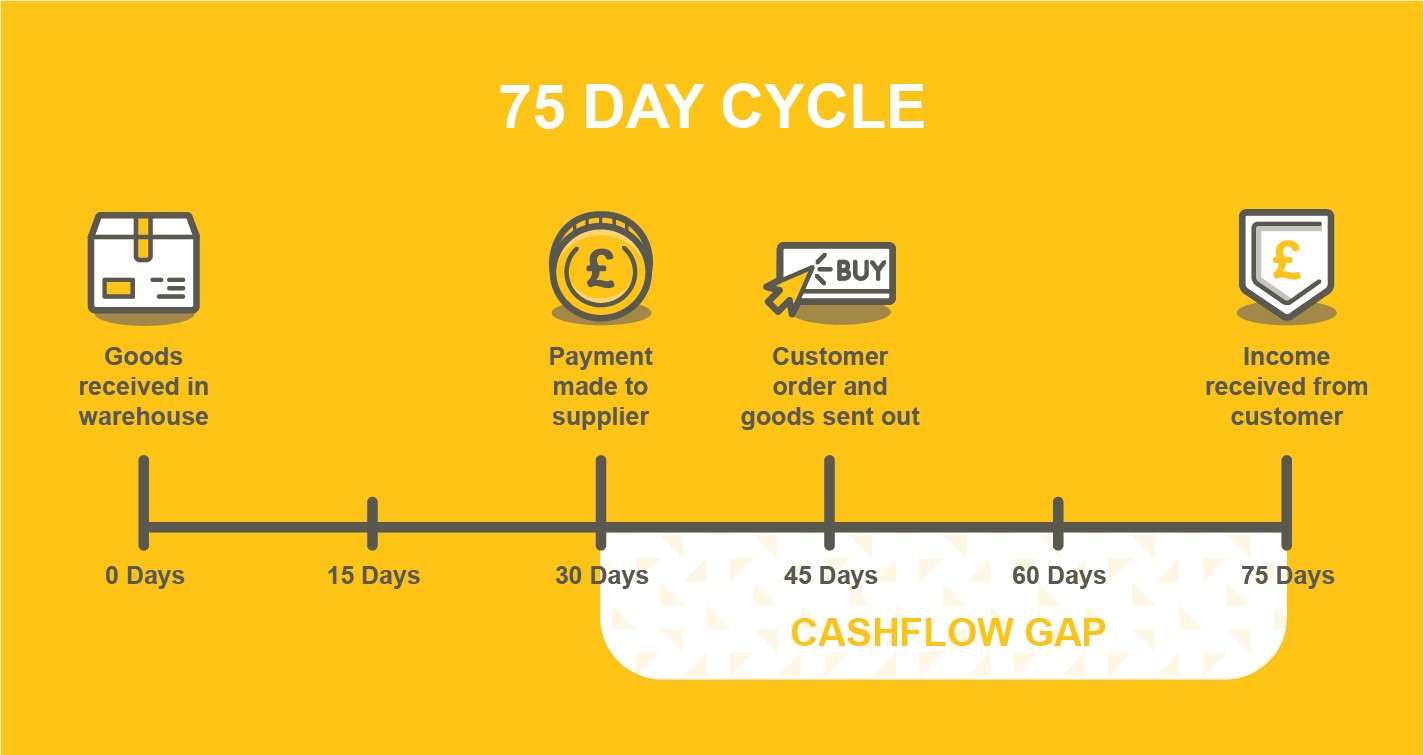
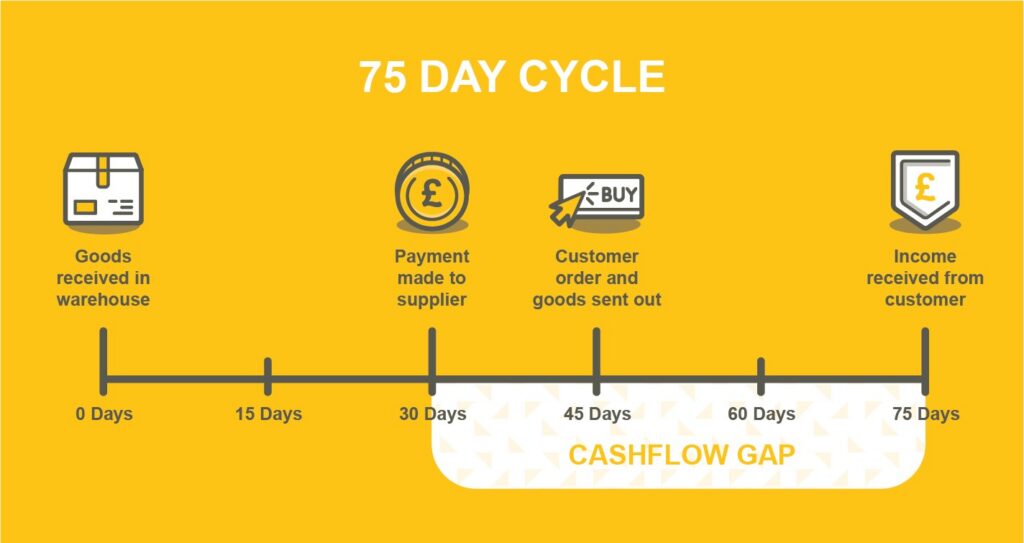
A business can close the year showing a solid profit but still find itself short of cash. Receipts often lag behind sales, suppliers expect payments, and obligations come due, creating a cash flow gap. Positive cash flow is critical to your business’s operation and success, and it is a key indicator of a healthy, well-run company. Surprisingly, many companies still lack the visibility they need into their cash position, limiting their ability to make timely decisions. What is the cash flow gap, and how can AR automation applications help close it?
What the Cash Flow Gap Really Means
A cash flow gap is defined in a few different ways, but simply stated, it is the time between you paying your supplier and your customer paying you. For instance, if your supplier terms are 30 days and your customer terms are 60 days, you have a cash flow gap of 30 days. Even when the terms are equal, there can still be gaps between the time you must pay an expense and when you collect the revenue related to that expense.
There are several ways to narrow the cash flow gap, with the most obvious being to extend the payables period, shorten the collections period, or improve inventory turnover. Decreasing the collections period is one of the most controllable levers for many organizations. One thing is certain: if your goal is to shorten the cash flow gap, you first need clear visibility into cash inflows, outflows, and the timing between them.
Visibility Is the Starting Point
We expect near real-time visibility from our devices, banks, and everyday transactions, so why would companies accept lagging insight into their cash flow?
While most accounting applications provide some form of cash flow reporting, they often do not deliver the deeper, forward-looking visibility that purpose-built AR and cash tools can provide. That gap frequently pushes teams toward spreadsheets in an effort to gain needed insight. Fortunately, there is a better way.
AR automation applications can provide visibility into your organization’s current receivables position and support forecasts that help drive decisions. These applications bring important financial data together by integrating with your accounting system, payment channels, and often bank data. Cash flow forecasting becomes more complicated if your organization has multiple entities, locations, or currencies. Look for solutions that can deliver insight across those dimensions rather than forcing manual consolidation.
Finance leaders continue to rank poor cash flow and high Days Sales Outstanding among the most significant consequences of inefficient AR operations, which is why many now treat AR automation as a strategic priority rather than a back-office convenience.
How AR Automation Narrows the Gap
AR automation helps close the cash flow gap by accelerating the path from invoice to cash. Faster electronic invoicing, easier customer payment options, automated reminders, better cash application, and prioritized collections all reduce the time money sits in receivables.
Organizations that deploy AI-powered AR automation have reported meaningful DSO reductions, with mature implementations often seeing improvements in the range of 20% to 30% within the first year. Separate research on AI in accounts receivable found that nearly all companies using AI reported faster payments, and a large share reduced DSO by six days or more. Those improvements free working capital and make cash timing more predictable.
The practical effect is straightforward. When invoices go out faster, payments are easier to make, cash is applied more accurately, and collections focus on the right accounts, the gap between sales and available cash shrinks.
AI Strengthens Forecasting and Focus
There has been meaningful progress in this area with the addition of artificial intelligence and machine learning. Modern AR and cash tools can study patterns in what is going out and what is coming in, then use predictive analysis to support more accurate forecasts. Over time, these systems can improve suggestions for collections prioritization, payment timing expectations, and exception handling based on your actual activity.
With better, more timely cash flow information, you can identify potential trouble spots, such as periods when outflow is expected to exceed inflow. Armed with that information, you are in a better position to take action: emphasizing collections, adjusting payment timing, renegotiating supplier terms, or using short-term financing intentionally rather than reactively.
Make Cash Flow More Predictable
A robust, predictable cash flow is imperative for every company. It makes sense to leverage technology to help optimize cash flow and minimize the gaps while you wait for the profit you see on your books to become available cash.
Not every AR automation application offers the same depth of cash visibility, forecasting, or collections support. We can help you evaluate options that fit your systems, customer mix, and operating model.
If you want to explore how AR automation can improve cash flow visibility and shorten the path from invoice to cash, talk to our experts at BT Partners.

Why Waiting on Better Financial Systems Can Get Expensive
In 2026, cautious finance leaders still need faster answers, cleaner forecasts, stronger cash visibility, and fewer manual processes. When business gets uncertain, delaying a major software project can feel like the responsible move. Maybe it is. No one at BT Partners is going to tell you to replace your accounting or ERP system just because [...]
Read More

Sage Intacct Pricing And Features For Nonprofits
Many nonprofit organizations believe they need accounting software and ERP applications designed specifically for them. Let us show you why that’s not true.
Read More

Data Flows Between CRM, Billing, and Accounting: How Senior Living Consultants Help Create a Single Source of Truth
Senior living teams often grow up on a familiar stack: the EHR handles care, finance runs in the EHR’s basic GL or QuickBooks, and CRM tracks pipeline. That setup gets you moving, but it starts to pinch when growth, lender expectations, and portfolio reviews require a single, consistent story across communities. That’s the moment to [...]
Read More